In today’s hyper-connected digital economy, ecommerce is no longer just an optional sales channel—it is a powerful engine driving business growth, innovation, and long-term revenue. From start-ups to global enterprises, brands across industries are rethinking traditional business models and embracing ecommerce to stay competitive, scalable, and customer-centric.
At Gyaata, we’ve seen first-hand how ecommerce—when combined with the right digital marketing strategies—can transform how businesses operate, market, and sell. This blog explores how ecommerce is revolutionizing business strategies and how companies can maximize revenue by leveraging its full potential.
The Ecommerce Boom: A Shift, Not a Trend
Ecommerce growth has accelerated dramatically over the past decade, fuelled by widespread internet access, mobile technology, and evolving consumer behaviour. Customers now expect:
- Seamless online shopping experiences
- Personalized product recommendations
- Multiple payment and delivery options
- Instant support and engagement
This shift has forced businesses to move beyond brick-and-mortar limitations and adopt digital-first strategies that prioritize convenience, speed, and personalization.
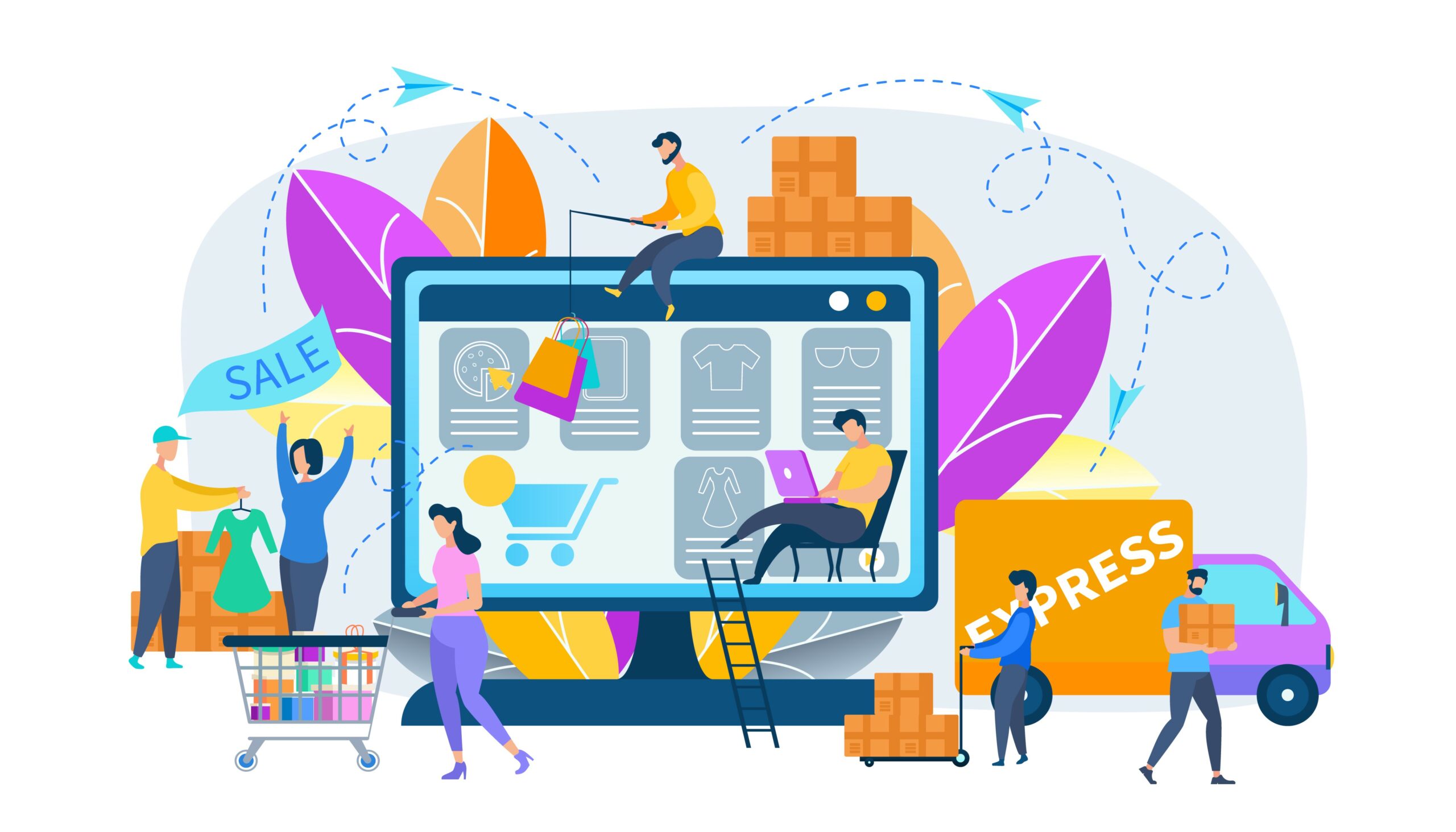
Ecommerce isn’t just about selling products online—it’s about building an ecosystem where data, technology, and marketing work together to drive sustainable revenue.
How Ecommerce Redefines Traditional Business Models
1. Breaking Geographic Barriers
One of ecommerce’s biggest advantages is its ability to eliminate physical boundaries. Businesses can now:
- Sell globally without opening physical stores
- Reach niche audiences across regions
- Operate 24/7 without time constraints
This expanded reach directly translates into higher revenue potential and reduced dependency on local markets.
At Gyaata, we help brands optimize their ecommerce platforms and digital campaigns to target the right audiences—locally and globally—ensuring maximum ROI.
2. Lower Operational Costs, Higher Margins
Traditional retail involves high overhead costs such as rent, utilities, staffing, and inventory storage. Ecommerce significantly reduces these expenses by:
- Minimizing physical infrastructure needs
- Enabling drop shipping and just-in-time inventory
- Automating order processing and customer service
Lower costs mean better margins, allowing businesses to reinvest savings into marketing, innovation, and customer experience.
Data-Driven Decision Making: The Core of Ecommerce Success
Unlike traditional sales channels, ecommerce provides access to real-time, actionable data, including:
- Customer behaviour and preferences
- Purchase patterns and cart abandonment rates
- Product performance and demand trends
This data empowers businesses to make informed decisions rather than relying on assumptions.
Personalized Experiences That Drive Revenue
With the right analytics and marketing automation tools, businesses can deliver:
- Personalized product recommendations
- Targeted email and SMS campaigns
- Dynamic pricing and offers
Personalization not only improves customer satisfaction but also significantly increases conversion rates and average order value.
Gyaata specializes in leveraging ecommerce data to create personalized digital marketing strategies that convert visitors into loyal customers.
Omnichannel Integration: Meeting Customers Everywhere
Modern consumers don’t shop in a linear way. They might discover a product on social media, research it on a website, and complete the purchase via mobile.
Ecommerce enables businesses to integrate multiple touchpoints, including:
- Websites and mobile apps
- Social media platforms
- Marketplaces like Amazon and Flipkart
- Email and messaging channels
An omnichannel strategy ensures consistent branding and messaging while allowing customers to engage with your business on their preferred platform.
When executed correctly, omnichannel ecommerce increases customer retention and lifetime value—two critical factors for long-term revenue growth.
The Role of Digital Marketing in Ecommerce Growth
Ecommerce success doesn’t happen in isolation. It thrives when paired with strategic digital marketing. Here’s how digital marketing amplifies ecommerce revenue:
1. Search Engine Optimization (SEO)
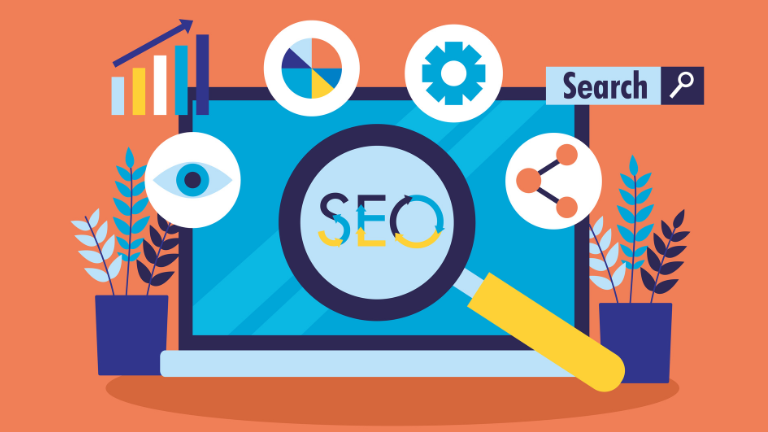
SEO ensures your ecommerce store ranks high on search engines, driving organic traffic with high purchase intent. Optimized product pages, category descriptions, and content marketing (like blogs) attract customers at every stage of the buying journey.
2. Paid Advertising for Faster Results
Platforms like Google Ads, Meta Ads, and marketplace ads allow businesses to:
- Target specific demographics
- Retarget past visitors
- Promote high-performing products
Paid campaigns, when managed strategically, deliver measurable and scalable revenue growth.
3. Social Commerce and Influencer Marketing
Social platforms have evolved into powerful ecommerce channels. Features like Instagram Shopping and Facebook Shops allow users to buy directly without leaving the app.
Influencer partnerships further boost trust and brand visibility, driving qualified traffic to ecommerce stores.
At Gyaata, we craft integrated ecommerce marketing strategies that combine SEO, paid ads, social media, and content marketing to maximize revenue impact.
Automation and AI: Scaling Revenue Efficiently
Ecommerce platforms today leverage automation and AI to streamline operations and enhance customer experience. These technologies enable:
- Automated email workflows (abandoned cart, upsell, re-engagement)
- AI-powered chatbots for instant support
- Predictive analytics for inventory and demand forecasting
Automation allows businesses to scale without proportionally increasing costs, making revenue growth more sustainable and predictable.
Building Customer Loyalty Through Ecommerce
Revenue growth isn’t just about acquiring new customers—it’s about retaining existing ones. Ecommerce platforms support loyalty-building strategies such as:
- Reward programs and memberships
- Personalized discounts and offers
- Subscription-based models
Repeat customers often spend more and cost less to retain than new ones, making loyalty a key revenue driver.
By combining ecommerce technology with smart digital marketing, businesses can nurture long-term relationships and maximize customer lifetime value.
Ecommerce as a Competitive Advantage
In competitive markets, ecommerce provides the agility businesses need to adapt quickly. Brands can:
- Launch new products faster
- Test pricing and promotions in real time
- Respond instantly to market trends
This flexibility allows companies to stay ahead of competitors and continuously optimize their revenue strategies.
How Gyaata Helps Businesses Maximize Ecommerce Revenue
At Gyaata, we understand that successful ecommerce is not just about having an online store—it’s about building a holistic growth strategy. Our approach focuses on:
- Ecommerce website optimization
- Data-driven digital marketing campaigns
- SEO, PPC, and social media integration
- Conversion rate optimization (CRO)
- Performance tracking and analytics
We partner with businesses to transform ecommerce into a powerful revenue-generating ecosystem, aligned with their goals and market demands.
Conclusion: The Future Belongs to Ecommerce-Driven Businesses
Ecommerce has fundamentally changed how businesses operate, market, and grow. By removing barriers, leveraging data, and integrating digital marketing, ecommerce enables brands to unlock new revenue streams and build resilient business models.
For companies looking to maximize revenue in today’s digital-first world, ecommerce is not just a channel—it’s a strategy.
With the right expertise and execution, ecommerce can revolutionize your business. And with Gyaata as your digital marketing partner, that transformation becomes measurable, scalable, and sustainable.