
The real estate industry is undergoing a significant evolution. Traditionally dominated by newspaper listings, physical open houses, and referral networks, this industry is now being reshaped by digital technologies and data-driven marketing practices. Today’s property buyers and sellers are more informed, connected, and digitally savvy than ever before. For real estate professionals, this means adapting to new strategies, platforms, and expectations. At the heart of this transformation lies digital marketing—a force that is rewriting the rules of engagement in the real estate market.
In this blog, we’ll explore how digital marketing is reshaping the future of real estate, why it matters, and how agencies and real estate businesses can leverage the latest digital trends to stay relevant and competitive.
1. The Digital Consumer Has Arrived
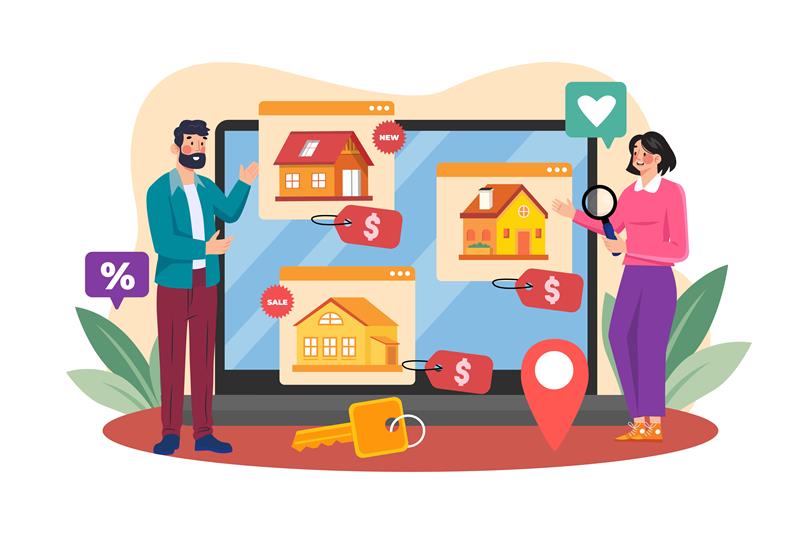
In the past, real estate decisions were heavily influenced by in-person experiences and local networks. Today, the first interaction between a potential buyer and a property often happens online. According to industry research, over 90% of homebuyers start their search on the internet. Prospective buyers use search engines, real estate aggregator websites, social media, and virtual tours to explore properties long before reaching out to an agent.
This shift makes digital visibility non-negotiable. If a property or real estate business isn’t easy to find online, it might as well not exist for a large segment of the market. Having a strong digital presence isn’t just about being discoverable—it’s about being clicked, engaged with, and remembered.
2. Data-Driven Targeting and Personalization
One of the biggest advantages digital marketing brings to real estate is data. Platforms like Google Ads, Facebook, Instagram, and TikTok allow marketers to target audiences based on location, age, interests, behavior, income levels, and more.
Imagine a campaign that targets:
- First-time homebuyers near your city
- Investors looking for rental properties
- Homeowners searching for luxury apartments
With advanced targeting, real estate marketers can fine-tune their campaigns to reach the right people at the right time with the right message. This level of personalization builds relevance and dramatically improves the efficiency of marketing budgets.
3. SEO: The Foundation of Discoverability
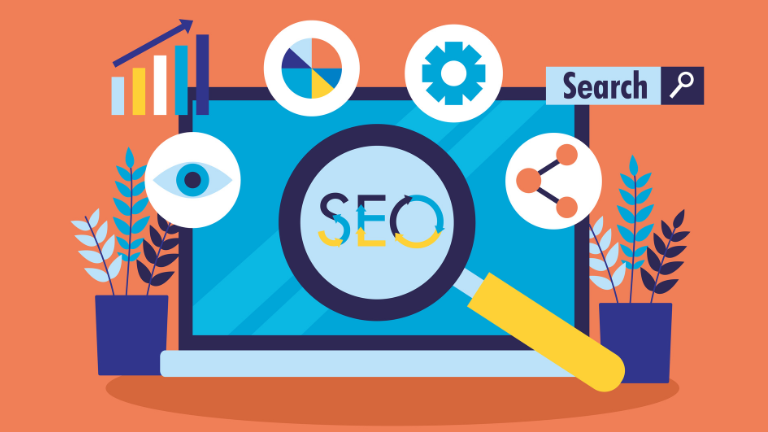
Search engine optimization (SEO) has become an essential pillar of real estate digital marketing. Ranking highly for these keywords on Google and other search engines ensures consistent organic traffic to your website. But SEO isn’t just about keywords—it also includes local search optimization, high-quality content creation, fast load times, mobile responsiveness, and structured data.
For real estate businesses, this translates into:
- Optimized property listing pages
- Blog content about neighborhoods, market trends, and home-buying advice
- Frequently updated listings with rich descriptions and visuals
By focusing on SEO, real estate businesses become more visible, credible, and top-of-mind when buyers are ready to engage.
4. Content Marketing: Educate, Engage, Convert
Content marketing builds trust and authority—two crucial elements in an industry where transactions are often the biggest financial decisions people make in their lives.
Rather than merely showcasing listings, leading real estate marketers are publishing:
- Buyer’s guides (e.g., “How to finance your first home”)
- Neighborhood spotlights
- Market trend analysis
- Success stories and case studies
- Q&A content addressing common concerns
This educational content nurtures prospects, positions the agent as an expert, and keeps the audience engaged throughout their buying journey. Quality content also enhances SEO and increases the likelihood of earning backlinks and social shares.
5. Social Media: Visuals That Sell
Real estate is inherently visual. Properties are best experienced, not described. Social media platforms—with their emphasis on imagery and short-form video—are perfectly suited for real estate marketing.
Platforms like Instagram, Facebook, YouTube, and TikTok offer tremendous opportunities:
- High-quality images and video walkthroughs
- Live tours of open houses
- Stories showcasing recent listings
- Reels or Shorts highlighting property features
Short video formats have surged in popularity, especially among younger homebuyers. These dynamic videos provide immersive experiences that static photos alone cannot deliver. Moreover, social media advertising lets real estate professionals target local users and drive traffic to listing pages or lead forms.
6. Virtual and Augmented Reality: The Future of Property Tours
Technology isn’t just changing how we market properties—it’s redefining how they are experienced. Virtual reality (VR) and augmented reality (AR) have unlocked new possibilities for showcasing properties remotely.
Through virtual tours, potential buyers can:
- Walk through a property from anywhere in the world
- Explore layouts and spatial arrangements interactively
- Revisit the experience multiple times before making a decision
Especially in markets with international or long-distance buyers, virtual experiences shorten the sales cycle and increase engagement. As costs for VR/AR tools continue to fall, more real estate professionals are adopting these technologies as standard marketing practice.
7. Customer Relationship Management (CRM) and Automation
In real estate, follow-ups matter. A promising lead can go cold quickly if not engaged properly.
CRM systems designed for real estate integrate with websites, chatbots, email marketing tools, and advertising platforms to ensure that no lead slips through the cracks.
With automated workflows, agencies can:
- Send instant follow-up emails after a lead inquiry
- Notify agents when a hot lead engages with a listing
- Track interactions and preferences of prospects
- Score leads to prioritize sales efforts
This type of automation not only improves efficiency but also enhances the customer experience—creating timely, personalized communications that build trust and drive conversions.
8. Paid Advertising: Fast, Targeted Lead Generation
While organic strategies like SEO and content marketing build long-term value, paid advertising delivers immediate visibility and leads.
Strategies include:
- Search ads targeting property-related keywords
- Display ads showcasing featured listings
- Facebook/Instagram ads targeting specific demographics
- Retargeting ads for users who visited your site but didn’t convert
Paid ads allow real estate marketers to generate leads quickly and at scale. When combined with strong landing pages and lead capture forms, paid campaigns become powerful drivers of revenue.
9. Analytics: Insights That Drive Better Decisions
One of the most transformative aspects of digital marketing is analytics. Through platforms like Google Analytics, Facebook Insights, and CRM dashboards, real estate professionals can track:
- Which campaigns drive the most inquiries
- Which listings generate the most engagement
- Where site traffic is coming from
- What types of content keep users on the site the longest
By measuring performance, agencies can optimize budgets, refine messaging, and eliminate wasted efforts. This data-driven approach ensures that marketing strategies evolve based on real user behavior—not guesswork.
10. The Human Element: Still Essential
Despite all the technology, digital marketing doesn’t replace the human connection. Instead, it amplifies it. Buyers still want responsive agents who understand their needs, provide honest guidance, and walk them through one of life’s biggest decisions.
Digital marketing enhances this human connection by:
- Helping agents stay top-of-mind through consistent, relevant outreach
- Enabling personalized communication at scale
- Freeing up agent time by automating repetitive tasks
In the future, the most successful real estate professionals will be those who balance digital efficiency with genuine human relationships.
Conclusion: A Digital-First Future for Real Estate
The future of real estate is undeniably digital—but it’s not digital at the expense of connection. Today’s buyers expect seamless digital experiences, rich interactive content, and responsive engagement. Real estate professionals who embrace digital marketing are gaining an edge by reaching wider audiences, generating better quality leads, and creating meaningful connections with prospects long before the first in-person meeting.
Digital marketing isn’t just a trend—it’s the foundation of future growth in the real estate industry. Whether you’re a solo agent, a brokerage, or a property developer, building a robust digital presence will determine your success in the years to come.
At Gyaata, we specialize in helping real estate businesses harness the power of digital marketing—from SEO and social ads to content strategy, automation, and analytics. Ready to change the game? Let’s build your digital future.